Posted: 27 Jan 2026

Can I Film in a Public Space in London?

London is one of the world’s most iconic cities to film in, because it’s simply iconic in itself. So for many creators, filming “on the streets of London” sounds cinematic, spontaneous and as budget-friendly as you could hope for. But when you get into the practicalities, there’s more to consider than you might expect.

So what can and can’t you do on the streets of London with a camera in hand?

Do You Need Permission to Film in Public?

In the UK, filming in public spaces is generally allowed without a permit, just as long as you don’t cause any obstruction. UK law recognises that members of the public and media can film or photograph in public places without needing official permission. This is because there’s no reasonable expectation of privacy on public land, and police cannot simply stop you from recording or photographing.

However, that’s just the legal baseline – it’s important to understand the nuances.

When You Do Need Permission to Film

If you’re filming in a way that blocks pavements, roads or public access (by, for example, placing stands, lights, cameras, or equipment in the way of pedestrians or traffic), you’ll likely need permission from the local authority via the Borough Film Service (BFS) in the area where you’re shooting.

Each London council has its own process, but they can issue a “notice of no objection” (which is basically the filming “permit” you’re looking for) and advise on safety, especially for larger crews and equipment. These notices can range in price from £47 to £259, as they’re dependent on the size of your crew and the equipment used.

It’s also good to note that if you’re likely to be using tracks or anything else on the pavement or road, councils will ask for at least 10 working days’ notice, and you should provide a diagram of your filming plans. You should also never block public footpaths with vehicles, and if the police ask you to move from a public highway, then you must do what they say, and clear off!

Do You Need Permission to Film a Person in Public?

In most cases, no, you don’t need someone’s permission to film them in a public place.

Legally, public spaces come with what’s known as no reasonable expectation of privacy. If someone is walking down the street, sitting in a park, or passing through a public square, they can legally appear in your footage without you needing to ask first.

Where things get more nuanced is how that footage is used.

If you’re filming for personal projects, documentary, news, or editorial purposes, consent isn’t usually required, but many filmmakers still ask [for consent] where practical/possible. Not because they have to, but because it’s good practice and helps avoid awkward conversations later on.

Commercial use is a different story. If that London footage is being used to sell, promote, or advertise something, it’s strongly advised to get model releases from any clearly identifiable individuals before publishing. This protects both you and the people appearing on screen and avoids any potential pesky legal issues down the line.

However, in reality, this is where filming in pubic gets a little (extra) complicated. You might be legally allowed to shoot, but practically speaking, tracking down consent from passers-by, especially on a busy London street, isn’t always easy.

This is one of the reasons many productions choose to recreate public-facing scenes in a controlled studio environment instead. In a film studio, everyone on set has given their consent, paperwork is in order, and you can focus on the creative work without worrying about who might wander into frame.
Can You Film Music Videos in a Public Space?

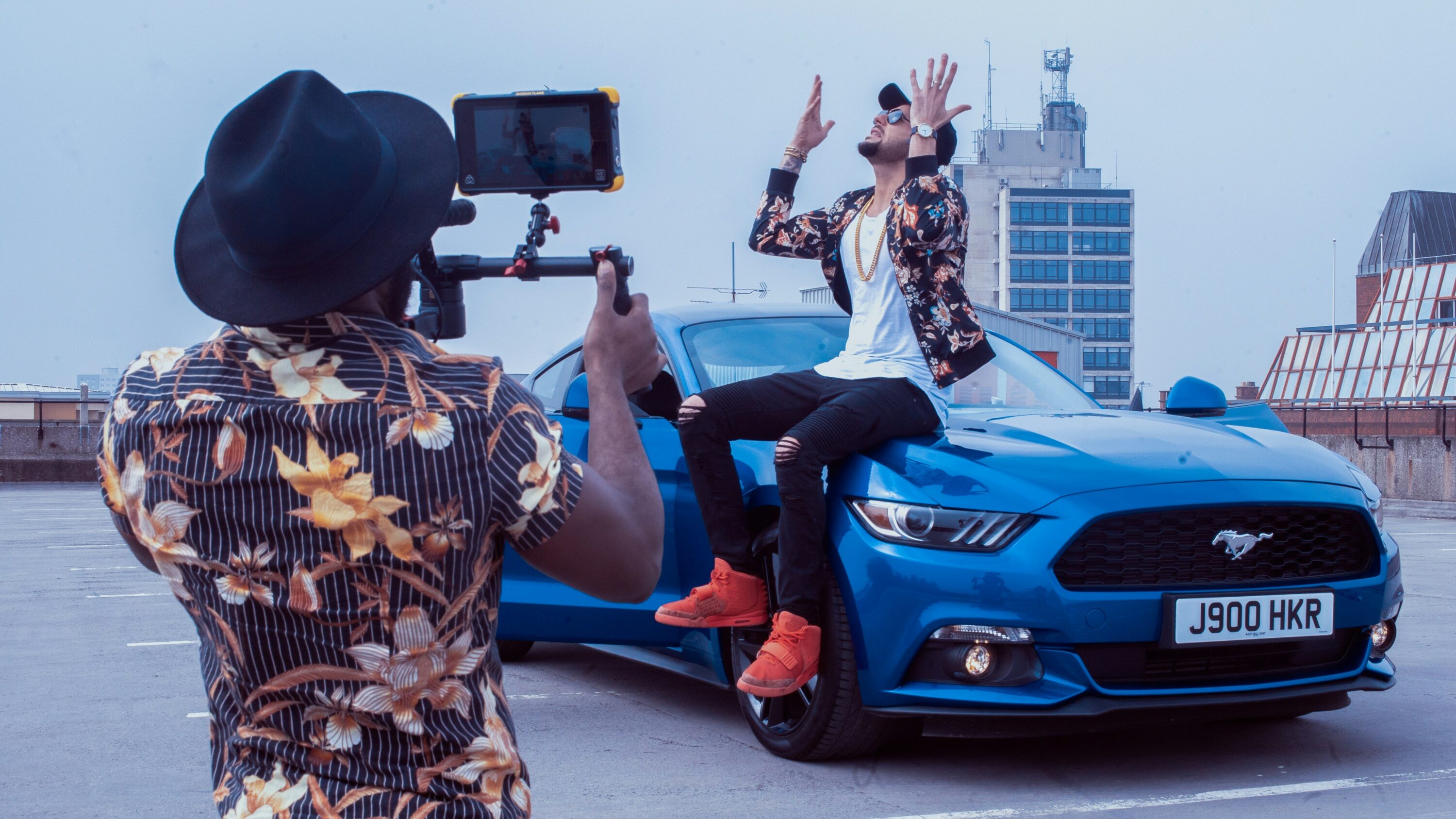
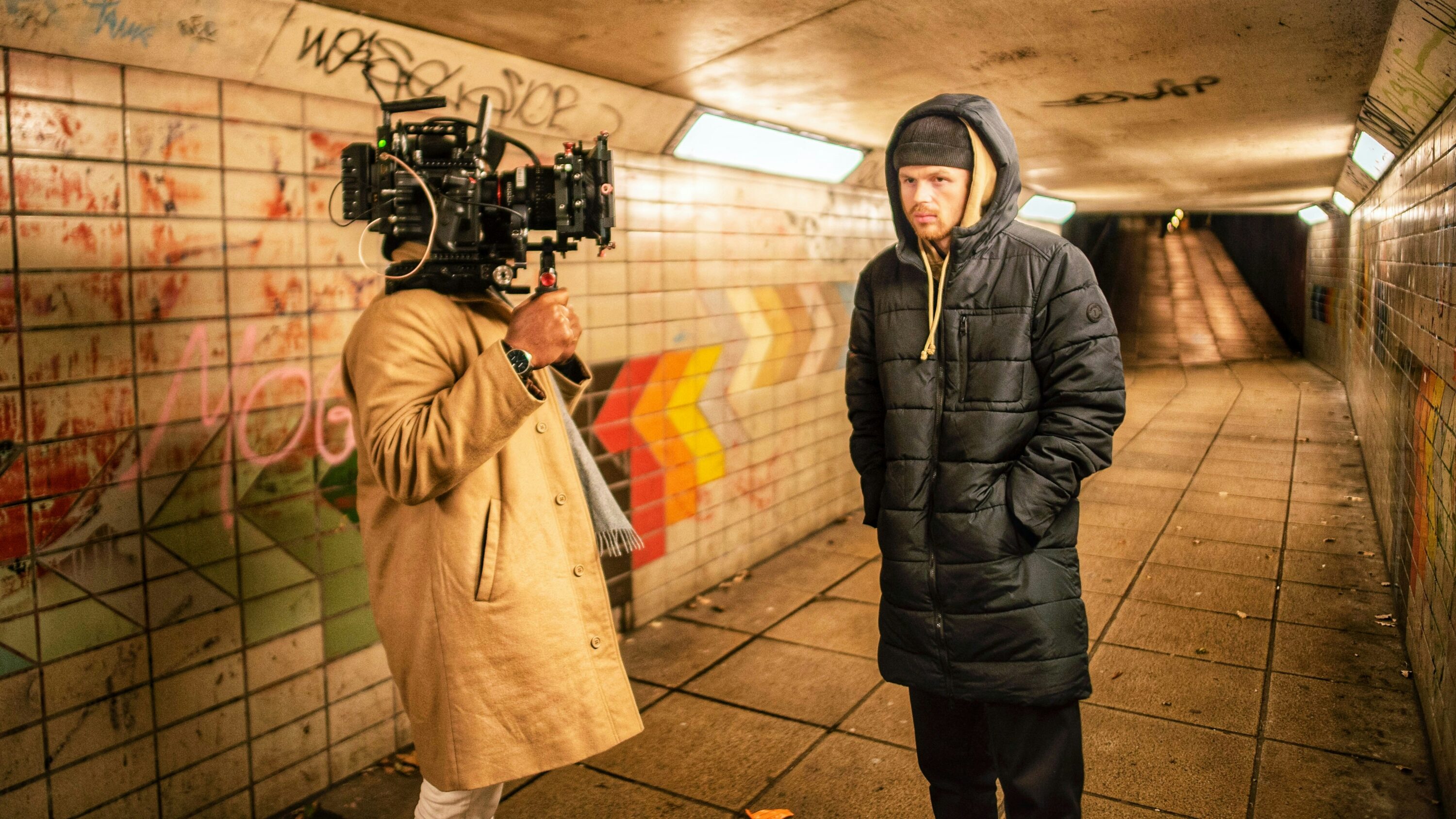
Yes, you can film music videos in a public space – but with some conditions.

Music video shoots often involve choreography, additional lighting, props or rehearsed takes – all of which, if done in public, can impede pedestrian routes or block public paths.

In these cases, a simple “legal right to film” isn’t enough – you’ll need to contact the relevant Local Authority, or better yet, BFS.

Your local BFS can liaise on your behalf with the council department, while making sure you’re informed on all the details needed for your shoot. Like whether you need to contact the local police, and what might affect or disrupt your filming in any given space.

If your music video shoot is very small, you likely don’t need official consent, but we recommend you always check local rules first.

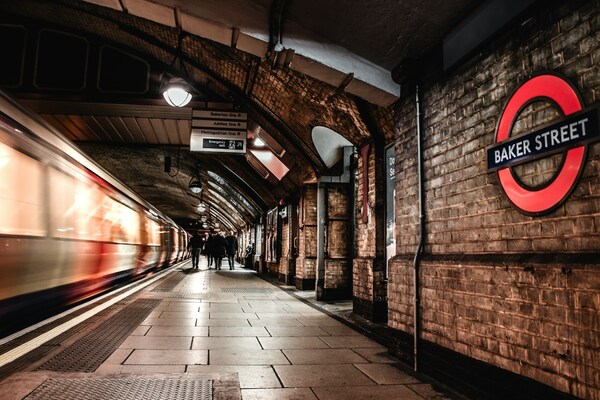
Can You Film Inside London Underground Stations?


Filming on the London Underground is not the same as filming on the street. While public pavements are generally open to filming, the Tube network is managed entirely by Transport for London (TfL), and comes with its own set of rules.

In short, every time you want to film or photograph in TfL space, you need to apply for permission.

That said, in some cases, personal, non-commercial filming may be allowed without a fee – usually during off-peak hours and only where it doesn’t interfere with passengers or operations. However, even then, permission isn’t guaranteed, and restrictions vary from station to station depending on safety and footfall.

Once filming becomes commercial, things get serious. Costs can start at around £500 per hour, and rise quickly and sharply if you need exclusive access to platforms, escalators, trains, or closed areas.

Note: Tripods and heavy equipment are not allowed on platforms without specific permission – safety is TfL’s top priority.

What About Road Closures for Filming?

Sometimes a scene just needs an empty street – no cars, no buses, no unexpected delivery vans rolling through the shot. In London, it may come as a surprise, but it is actually possible to close a public road for filming.

Road closures are managed under the London Local Authorities and Transport for London Act 2008, which allows traffic authorities to approve temporary closures for filming. In practice, this happens in two ways:

  1. An Order allows a road to be closed for longer periods (up to seven days) but needs advanced planning and formal approval.
  2. A Notice can sometimes be used at shorter notice, but these have a maximum filming period of 24 hours and are less commonly granted.

Costs and logistics vary widely by borough, and always remember – fees can quickly add up once you factor in traffic management, signage, stewards, parking suspensions, and sometimes police oversight.

You’ll also need a detailed Traffic Management Plan and close coordination with local authorities to ensure public safety.

All of this means that while road closures are possible, they’re often expensive, time-consuming, and operationally heavy – sometimes costing more than the shoot itself. For many productions, recreating a street environment in a green screen or virtual production studio can be a far simpler (and calmer) alternative.

When You Don’t Need a Permit - But Should Still Plan Ahead

For very small shoots with minimal equipment (e.g., under five people with handheld cameras), you may not be legally required to apply for permission. However, here are some points that remain important:

  • Councils still strongly recommend contacting the Borough Film Service so you don’t encounter surprise issues on location
  • Local police may still need to be informed if your shoot involves anything unusual
  • Insurance (usually public liability) is generally required for commercial shoots

We all know that in film, last-minute problems always tend to pop up. Doing a little advance planning helps you mitigate these, while giving you some expert support to boot.

Why Filming in a Studio Can Be Easier

After reading all of the above, you might be thinking: that sounds like a lot of hoops to jump through!

You’re not wrong.

After figuring out permits, permissions and planning constraints, many productions find that a studio simply lets them focus on the work – not the paperwork. Here’s what a studio environment offers:

  • Controlled space: no disruption from weather, public footfall or traffic
  • Predictable logistics: power, parking, facilities, and equipment setups are straightforward
  • Flexibility: schedule shoots without considering opening hours, busy streets, or passers-by

And with a studio like our Virtual Production Stage, you can build exactly the environment you need, without the need to chase permits or battle the elements. It’s a super practical alternative to making all of the above happen in the streets of London.

If you’d like to learn more about our photography and film studios, or you’d like to book a recce to see the studios in person, simply get in touch and we’ll make it happen!

Thanks to Kashilembo Wabu for the images